
A well-designed bedroom is about more than furniture, wall colours and decor
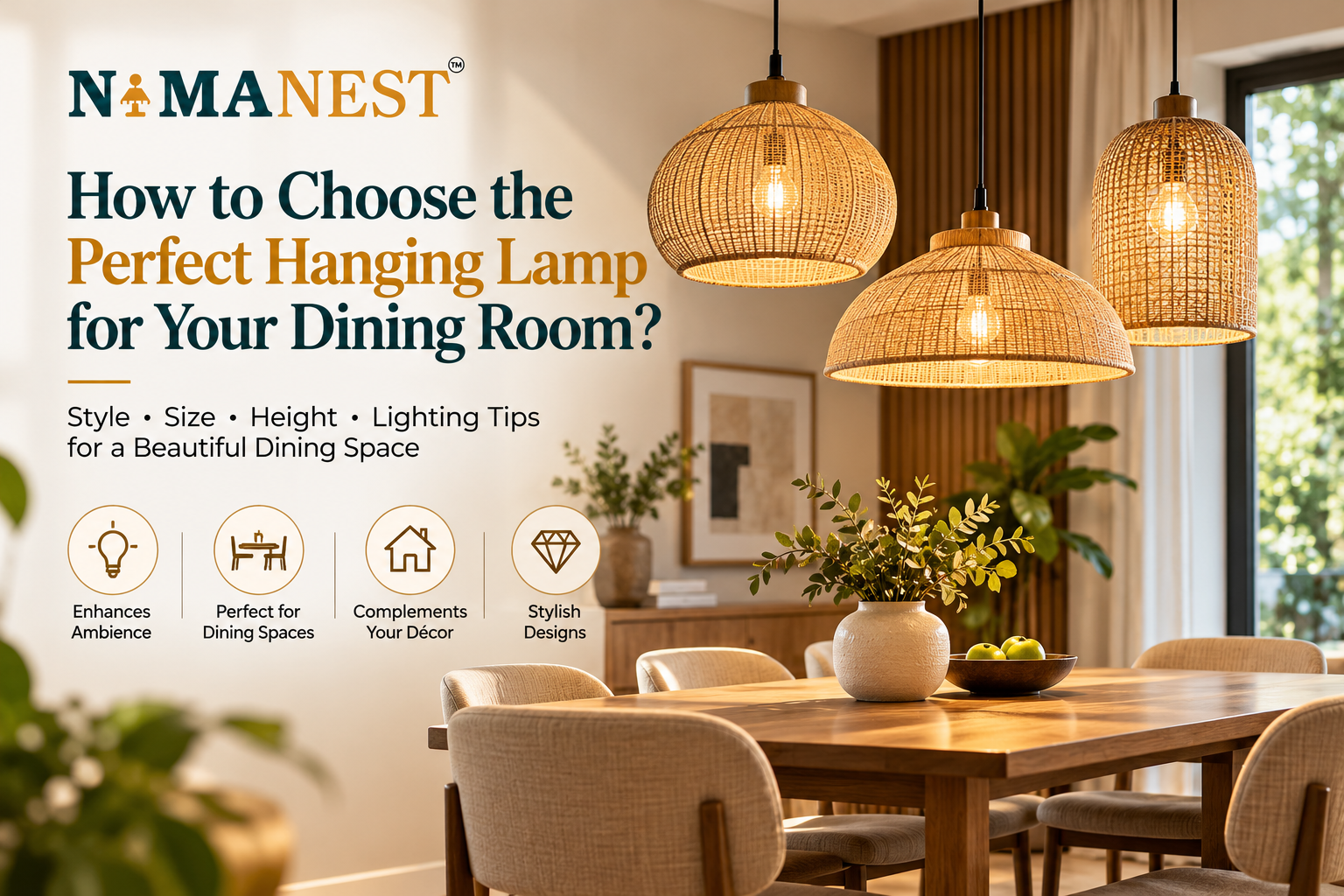
The right hanging lamp can transform your dining room from a simple eating area into a warm, inviting space for family dinners, celebrations and entertaining guests. But choosing the right pendant light involves more than selecting an attractive design. You also need to consider the size of your dining table, ceiling height, brightness and interior style.
In this guide, discover how to choose hanging lamps for your dining room that balance functionality, comfort and decorative appeal.
The best hanging lamp for a dining room is one that provides comfortable light over the table, complements the surrounding furniture and suits the room’s proportions. Pendant lamps work particularly well above dining tables because they create a visual focal point while directing light towards the dining area.
For a modern interior, consider minimalist pendants or sculptural designs. For a natural, relaxed atmosphere, explore woven or textured shades. For a more luxurious look, choose decorative pendants with elegant finishes.
The lamp should be proportionate to your dining table. A small pendant may look lost above a large table, while an oversized fixture can overwhelm a compact dining area.
As a practical starting point:
Small dining tables can work well with one compact pendant.
Medium-sized tables may suit a larger pendant or two smaller fixtures.
Long dining tables can benefit from a linear pendant or a balanced row of hanging lights.
Always check the dimensions of the fixture and consider how much visual space it occupies.
For many dining rooms with standard-height ceilings, the bottom of a pendant is positioned approximately 30–36 inches (76–91 cm) above the tabletop. This is a starting guideline, not a fixed rule.
Adjust the height according to the ceiling, lamp design, brightness and sightlines. The light should illuminate the table without obstructing conversation or shining directly into diners’ eyes.
Your hanging lamp should complement your dining room’s furniture, colours and finishes.
Modern interiors: Choose clean shapes, understated finishes and simple silhouettes.
Natural interiors: Consider woven shades, wood details or textured materials.
Contemporary luxury: Explore statement pendants with sculptural forms and refined finishes.
Classic interiors: Look for timeless shapes and decorative details that complement traditional furniture.
A dining room needs enough light for meals and everyday activities without feeling harsh. Warm white light, commonly around 2700K–3000K, can create a welcoming dining atmosphere.
Consider dimmable lighting where compatible with the lamp, bulb, driver and control system. For larger dining areas, combine the pendant with other light sources to reduce shadows and improve overall comfort.
A distinctive pendant can anchor your dining space and help define the dining area in an open-plan home. Choose a design that attracts attention without competing with every other decorative element in the room.
Consider the table shape, surrounding wall decor and other light fixtures before making your final choice.
Nimanest offers a decorative lighting range for customers looking to enhance their interiors. Explore the available designs to find a hanging lamp that complements your dining table, colour palette and preferred decor style.
Ready to elevate your dining space? Explore Nimanest and discover decorative lighting ideas for your home.
Choose a fixture that is proportionate to your table. The ideal size depends on the table dimensions, room layout and whether you use one pendant or several fixtures.
A common starting point is 30–36 inches above the tabletop in rooms with standard-height ceilings. Adjust the height for the fixture’s dimensions, ceiling height and visual comfort.
Warm white light around 2700K–3000K is often preferred for a cosy dining atmosphere. The best colour temperature depends on your decor and intended use.
Yes. A compact pendant can provide focused illumination and create a focal point without taking up floor or table space. Choose a proportionate design to keep the room visually balanced.
ative accessories. Lighting plays an equally important role in creating a comfortable, welcoming and visually balanced space. Among the many lighting options available, fabric table lamps for bedroom interiors are a popular choice for adding warmth, style and practical illumination.
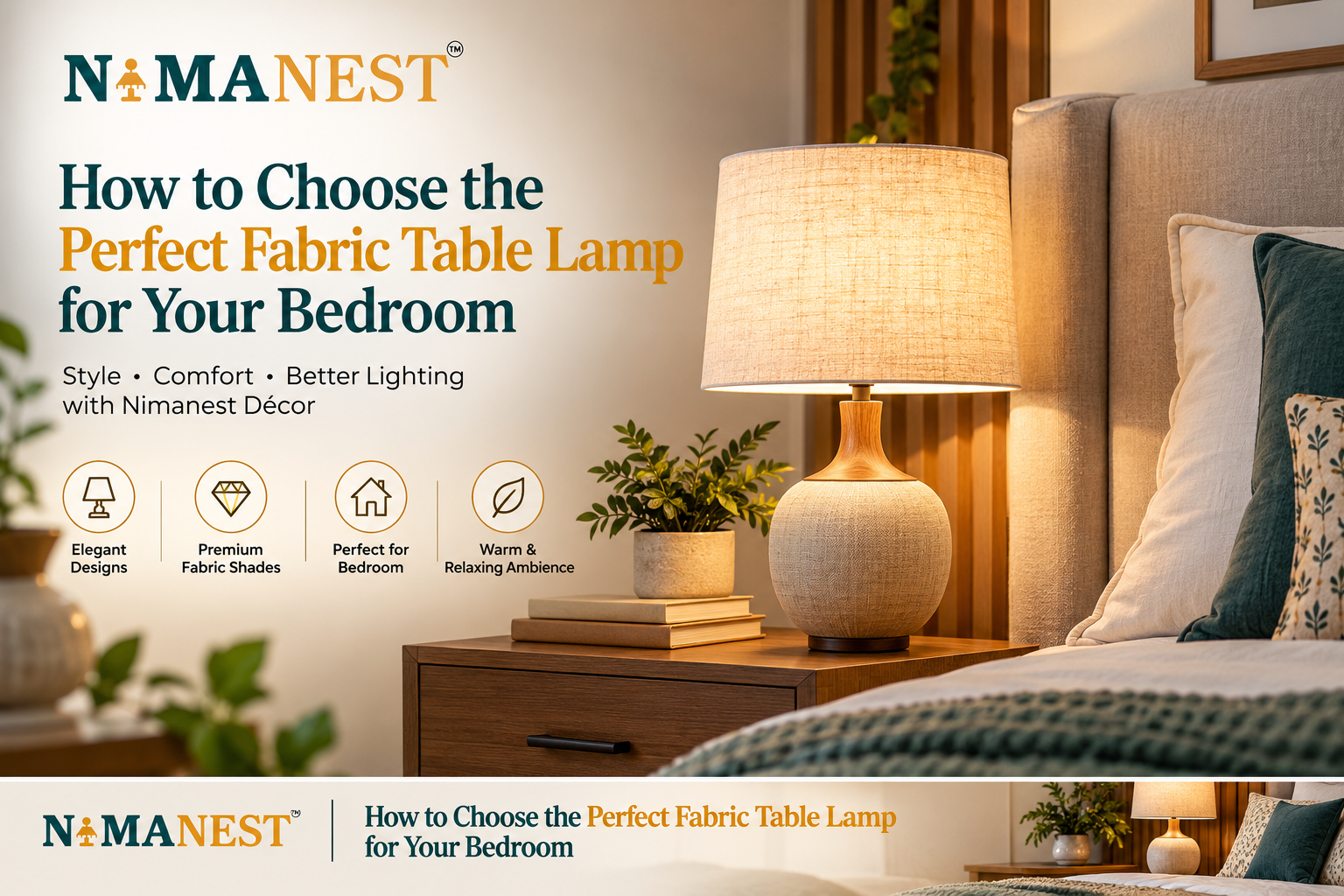
Whether you are refreshing your bedroom, decorating a new home or looking for an elegant bedside accessory, the right table lamp can transform the atmosphere of your space. From neutral linen shades to contemporary fabric designs, these lamps combine decorative appeal with everyday functionality.
In this guide, Nimanest Décor explores how to choose the right fabric table lamp, where to place it, which colours work best and how to create a coordinated bedroom lighting scheme.
Fabric table lamps are valued for their versatile appearance and ability to complement different interior styles. Unlike exposed bulbs or some directional lighting fixtures, a fabric shade can help diffuse light and create a softer visual effect, depending on the fabric, shade construction and bulb used.
Here are some reasons to consider a fabric table lamp for your bedroom.
Bedrooms benefit from lighting that feels comfortable in the evening. A fabric lampshade can soften the appearance of a light source and contribute to a calm atmosphere, making it suitable for bedside tables, dressing areas and bedroom reading corners.
For a relaxing ambience, consider a compatible warm-white LED bulb and a shade that allows light to diffuse comfortably.
Fabric table lamps are available in a variety of colours, textures, shapes and base materials. This makes it easier to coordinate your lighting with upholstered beds, wooden furniture, curtains, rugs and decorative cushions.
Neutral shades can complement minimalist interiors, while textured or patterned fabrics can add character to more expressive bedroom designs.
A bedside table lamp provides convenient lighting without requiring the main ceiling light to be switched on every time you need illumination. It can be useful when reading, getting ready for bed or navigating the room at night.
Choose a lamp with suitable brightness and placement for your intended use.
A lamp is both a lighting accessory and a decorative object. Fabric shades introduce texture that can balance harder surfaces such as glass, metal, polished wood and stone.
When selected thoughtfully, a table lamp can help connect different materials and finishes throughout the bedroom.
Selecting the right lamp involves more than choosing a design you like. Consider the following factors before making your decision.
The lamp should be proportional to your bedside table and bed. An oversized lamp may make a compact bedside table feel crowded, while a very small lamp may look out of place beside a large bed.
Measure your available surface and consider the height of your mattress and headboard. Ideally, the lamp should be easy to reach, and its shade should be positioned to minimise glare when you are sitting or lying in bed.
The shade has a significant influence on the lamp’s overall appearance.
White and ivory fabric shades: Suitable for bright, understated and contemporary bedrooms.
Beige and linen-look shades: Complement natural wood, neutral palettes and relaxed interiors.
Grey fabric shades: Work well with modern, monochromatic and minimalist spaces.
Dark or patterned shades: Can introduce contrast and become a decorative focal point.
Consider the colours already present in your room before choosing a shade. A coordinated palette generally creates a more balanced result than introducing too many competing colours.
The base contributes to the lamp’s stability, appearance and overall design.
Wooden bases can create a natural, inviting look. Metal bases may suit contemporary or industrial-inspired interiors, while ceramic and glass bases can add decorative character.
For a cohesive bedroom design, choose a base material that complements your furniture rather than matching every item exactly.
Before selecting a fabric table lamp, determine whether you primarily need ambient lighting, reading light or decorative accent lighting.
For bedside reading, look for a lamp that provides sufficient illumination without shining directly into your eyes. If the lamp is mainly decorative, a softer lighting effect may be more appropriate.
Always check the bulb compatibility and the manufacturer’s recommendations for safe operation.
The placement of a lamp can influence both the appearance and usability of your bedroom.
A bedside table is one of the most practical locations for a fabric table lamp. It keeps the light within easy reach and creates a balanced arrangement beside the bed.
For a symmetrical bedroom, consider placing matching lamps on both sides. For a more relaxed, contemporary look, use different lamps with complementary colours, proportions or materials.
A fabric table lamp can enhance a dressing console or bedroom sideboard. Pair it with a small decorative object, a framed photograph or a vase while leaving enough space for everyday use.
Avoid overcrowding the surface, and make sure the lamp does not obstruct mirrors, drawers or frequently used items.
If your bedroom has an armchair or reading nook, a table lamp can make the area feel more inviting. Choose a stable surface and a lamp that provides appropriate illumination for reading.
For a larger seating area, a floor lamp may be a better option if a suitable table is unavailable.
Different lamp styles serve different purposes. Understanding their differences can help you build a more effective lighting arrangement.
Fabric table lamps: A versatile option for bedside tables and decorative accent lighting, with shades that can soften the visual effect of illumination.
Pendant lamps: Useful for making a design statement or introducing focused lighting above a suitable bedside or seating area. Installation height and clearance require careful planning.
Floor lamps: Suitable for reading corners and larger bedrooms where additional lighting is needed without occupying a bedside surface.
Ceiling lamps: Provide general room illumination and can serve as the main lighting fixture.
For many bedrooms, combining general lighting with bedside or accent lighting creates more flexibility than relying on a single light source.
Regular care helps maintain the appearance of your lamp and shade.
Dust the shade gently using a soft brush or a suitable vacuum attachment on a low setting.
Follow the manufacturer’s cleaning instructions for the specific fabric.
Avoid applying water or cleaning products unless the shade’s care instructions permit them.
Switch off and unplug the lamp before cleaning.
Use a compatible LED bulb and follow the manufacturer’s guidance regarding bulb wattage, heat and electrical safety.
If the shade becomes stained or damaged, check whether it can be professionally cleaned or replaced.
Yes. Fabric table lamps are suitable for many bedroom styles because they combine decorative design with practical bedside or accent lighting. The best option depends on your room size, lighting needs and interior décor.
White, ivory and beige are versatile choices for neutral interiors. Grey can complement contemporary rooms, while darker or patterned shades can create contrast. Choose a colour that works with your existing furniture and textiles.
They can be, provided the lamp and bulb offer suitable illumination. Check the shade’s light transmission, lamp positioning and bulb compatibility to ensure comfortable reading without excessive glare.
Consider your bedside table dimensions, bed height and headboard. The lamp should look proportional, leave sufficient usable surface area and position its shade comfortably relative to your seated eye level.
Start with your room’s existing colour palette and materials. Coordinate the shade with curtains, bedding or upholstery, then select a base that complements your furniture and other finishes.
The right fabric table lamp can bring together comfort, functionality and personal style. By considering shade material, lamp size, base design, bulb compatibility and placement, you can choose a lighting accessory that complements your bedroom and suits your daily routine.
At Nimanest Décor, explore lighting options designed to complement a variety of interiors, from contemporary bedrooms to classic living spaces. Discover our table lamps and lampshades to find a design that fits your space.
Explore Nimanest Décor: https://nimanest.com/
Need a specific design or quantity? Contact our team to discuss your lighting requirements and custom lighting solutions.
Email: sales@nimanest.com
Website: https://nimanest.com/
Explore our full collection or get in touch for a custom lighting quote.